
image

Why Early Childhood Education Sets the Foundation for Lifelong Success

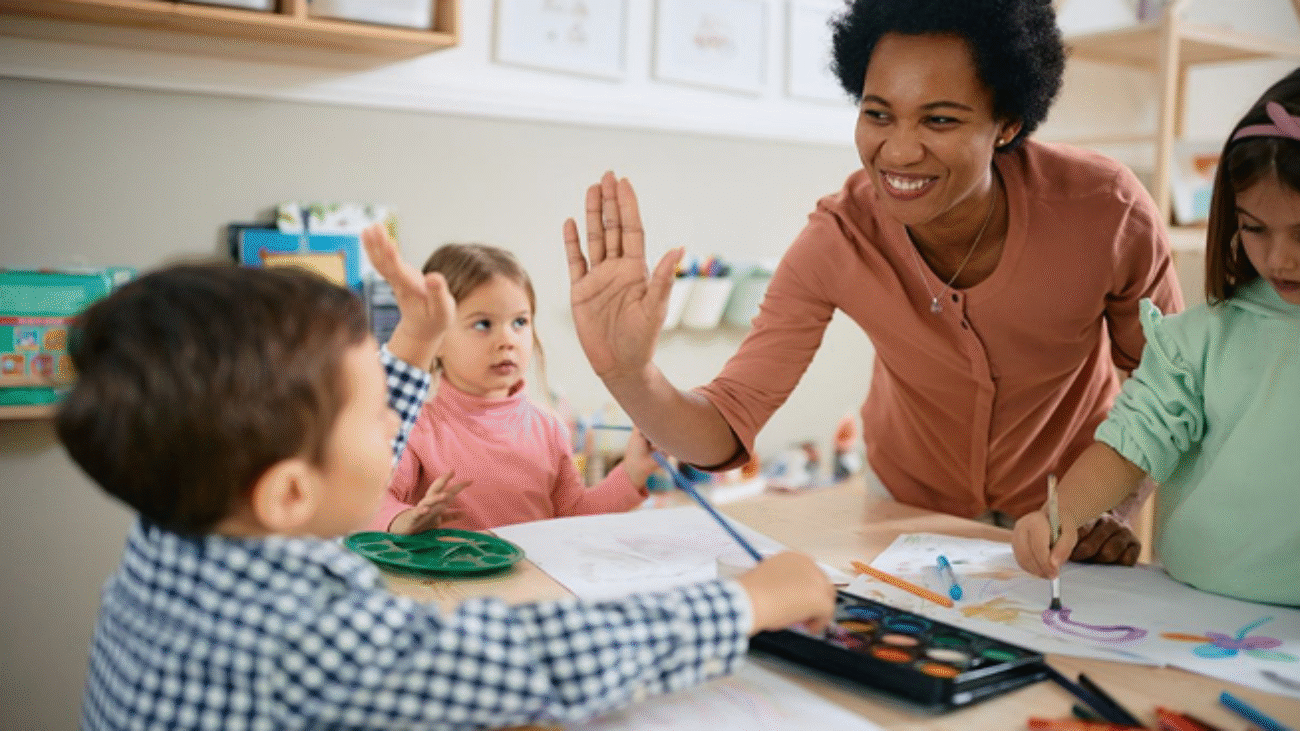
In today’s rapidly evolving world, the importance of early childhood education cannot be overstated. The first few years of a child’s life are more than just a phase of growth — they are the most formative period of their development. During these years, the brain develops faster than at any other time, making early experiences critical in shaping a child’s future.

At Young Achievers International School, we believe that providing children with a strong educational foundation early in life is the key to unlocking their full potential. Our early childhood program is thoughtfully designed to nurture young minds, build confidence, and foster a lifelong love for learning.

The Power of Early Learning

Early childhood education (ECE) goes beyond teaching the alphabet or basic counting. It is about helping children develop the cognitive, social, emotional, and physical skills they need to thrive in school and beyond. Quality early education instills critical thinking, creativity, empathy, and resilience — traits that are essential in both personal and professional life.

Children who receive a strong early education are more likely to perform better academically, have stronger social skills, and show higher levels of self-esteem. Numerous studies have shown that early learning significantly improves long-term outcomes, including higher graduation rates, better job opportunities, and overall well-being.

Brain Development Starts Early

From birth to age five, a child’s brain forms more than one million new neural connections every second. This makes the early years a unique window of opportunity to influence learning and development positively. Engaging, supportive, and stimulating environments during this stage help build a strong foundation for thinking, problem-solving, and emotional regulation.

At Young Achievers International School, our classrooms are designed to inspire exploration, creativity, and collaboration. We provide children with hands-on learning experiences that stimulate their curiosity and encourage them to discover the world around them.

Social and Emotional Growth

Early childhood education also plays a crucial role in developing social and emotional skills. Learning how to cooperate, communicate, and manage emotions are vital components of early development. These soft skills are often predictors of success later in life — sometimes even more than academic skills alone.

Our educators at Young Achievers International School are trained to guide children with care and empathy. Through group activities, storytelling, play, and positive reinforcement, we help children develop kindness, patience, and emotional intelligence in a safe and supportive environment.

Building a Lifelong Love for Learning

Children are naturally curious, and when that curiosity is nurtured in the right way, it becomes a powerful driving force for lifelong learning. A high-quality early education program cultivates this love for learning by making education enjoyable, engaging, and meaningful.

At Young Achievers International School, we believe that every child learns differently. That’s why our approach is child-centered, allowing each student to progress at their own pace while being guided by experienced and passionate teachers. We focus not just on what children learn, but how they learn — building habits that will serve them well throughout their academic journey and life.

The Role of Family and Community

An effective early childhood education program involves more than just the classroom — it includes strong partnerships with families and the community. When parents, caregivers, and educators work together, children receive consistent support and encouragement across all areas of their development.

Young Achievers International School values parent involvement and maintains open communication with families. Through regular updates, interactive sessions, and school events, we ensure that parents are active participants in their child’s early learning journey.

Conclusion: A Strong Start, A Bright Future

The foundation laid in the early years of life has a lasting impact on every child’s future. Early childhood education shapes not only academic success but also character, values, and confidence. It gives children the tools they need to navigate challenges, embrace opportunities, and become thoughtful, capable individuals.

At Young Achievers International School, we are proud to be part of this critical phase in a child’s life. Our commitment to excellence in early education ensures that every child receives the nurturing, inspiration, and support they need to become the achievers of tomorrow.

Because when we invest in early childhood, we’re not just preparing children for school — we’re preparing them for life.
image

How Social-Emotional Learning Shapes Confident Kids

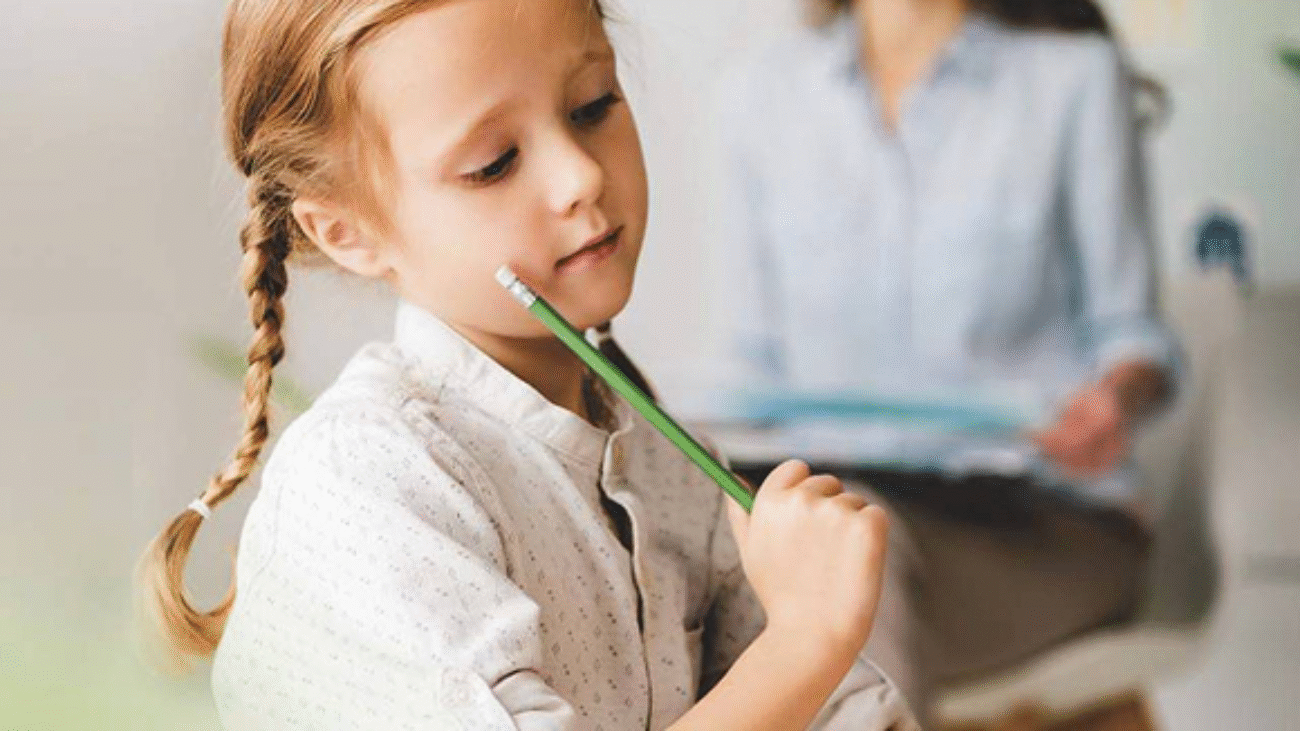
In today’s world, academic success alone is not enough. The ability to communicate, manage emotions, build relationships, and make responsible decisions plays an equally important role in shaping a child’s overall development. This is where Social-Emotional Learning (SEL) comes into the picture. At Young Achievers International School, we believe in educating the whole child — not just the mind, but the heart as well. Through our dedicated SEL practices, we empower children to become confident, compassionate, and capable individuals.

What is Social-Emotional Learning?

Social-Emotional Learning (SEL) refers to the process through which children learn to understand and manage emotions, set goals, show empathy, maintain positive relationships, and make responsible decisions. These skills help children navigate their daily lives, interact with others respectfully, and handle challenges with confidence.

SEL is not taught as a separate subject. Instead, it is woven into the fabric of everyday classroom experiences at Young Achievers International School — from how teachers speak to students, to how students work together, resolve conflicts, and celebrate each other’s achievements.

Building Self-Awareness and Confidence

Confidence starts to grow when a person becomes aware of their feelings, thoughts, and inner values.At Young Achievers International School, we help students become more aware of their strengths and areas for growth.This awareness forms the basis for building genuine self-esteem and confidence..

Learners are guided to share their emotions, think about their experiences, and create personal goals.When children learn that their feelings are valid and that they have the power to influence outcomes, they begin to believe in themselves. This belief translates into greater participation in class, better decision-making, and a willingness to take on challenges.

Managing Emotions in Healthy Ways

One of the key components of SEL is emotional regulation — the ability to manage feelings such as frustration, disappointment, or anxiety in healthy and constructive ways. At our school, we teach children strategies like deep breathing, mindful pauses, journaling, and talking it out with a trusted adult.

Classrooms often begin the day with a “feelings check-in” or mindfulness activity, giving students space to recognize how they’re feeling and learn tools to handle those emotions. These practices help students feel calmer, more focused, and better equipped to learn and interact positively with others.

Fostering Empathy and Positive Relationships

Social-emotional skills also involve understanding others. Empathy — the ability to feel what someone else is feeling — is a cornerstone of strong relationships and responsible citizenship. Through group activities, collaborative learning, and inclusive discussions, children at Young Achievers International School learn to respect differences and value each other’s perspectives.

From an early age, students are taught the importance of kindness, sharing, teamwork, and active listening. These values help them form meaningful connections with peers, teachers, and the community, making school a supportive and welcoming space for all.

Encouraging Responsible Decision-Making

As children grow, they are faced with choices every day — from how to treat their peers to how to handle failure. SEL empowers students to make thoughtful, ethical, and informed decisions. By discussing real-life scenarios, role-playing, and reflecting on outcomes, children learn to weigh consequences and choose actions that align with their values.

This skill builds independence and responsibility, giving children the confidence to stand up for themselves and others, admit mistakes, and make better choices moving forward.

The Role of Teachers and the School Environment

At Young Achievers International School, our teachers play a vital role in modeling and reinforcing social-emotional skills. They create a classroom culture of trust, encouragement, and respect. Students know they are seen, heard, and supported — which boosts their emotional security and willingness to engage fully in learning.

We also conduct regular SEL workshops, parent-child activities, and school-wide wellness events to reinforce the importance of emotional well-being and mental health.

Confidence That Lasts a Lifetime

When children are socially and emotionally strong, they feel confident in their abilities, comfortable in their skin, and ready to take on life’s challenges. SEL does more than help students succeed in school — it prepares them to thrive in every aspect of life.

At Young Achievers International School, we are proud to nurture not only intelligent learners but also kind, resilient, and self-assured individuals. Through intentional social-emotional learning, we’re shaping tomorrow’s leaders — one confident child at a time.

image 144

Healthy Habits Start Young: Nutrition and Wellness at Our School

In today’s fast-paced world, teaching children healthy habits has never been more important. The habits children form during their early years tend to stay with them for a lifetime — influencing their physical health, mental well-being, and overall lifestyle. At Young Achievers International School, we believe that wellness goes beyond academics. We are committed to nurturing well-rounded individuals who understand the value of good health, balanced nutrition, and active living from an early age.

Why Early Health Habits Matter

Childhood is the ideal time to lay the foundation for lifelong wellness. During this critical phase of development, children are highly impressionable and eager to learn. Introducing them to healthy eating, physical activity, and mindfulness early on helps them develop routines and values that contribute to a fulfilling life.

Numerous studies have shown that children who follow healthy routines are more focused in the classroom, perform better academically, and develop stronger emotional and social skills. At Young Achievers International School, we take a holistic approach to education — one that includes a strong focus on health and wellness as part of our everyday curriculum.

Nutritious Meals and Smart Choices

A balanced diet is essential for a child’s growth and learning. At our school, we emphasize the importance of nutritious meals both at school and at home. Whether through our healthy lunch policies or educational activities that explore food groups and nutrition facts, we aim to instill smart eating habits that children will carry into adulthood.

We suggest families provide nutritious meals and snacks with plenty of fruits, veggies, whole grains, and lean protein.Teachers regularly incorporate fun and interactive lessons about healthy food choices, helping students understand what their bodies need and why. This not only enhances their knowledge but also motivates them to make better food choices on their own.

Physical Activity as a Way of Life

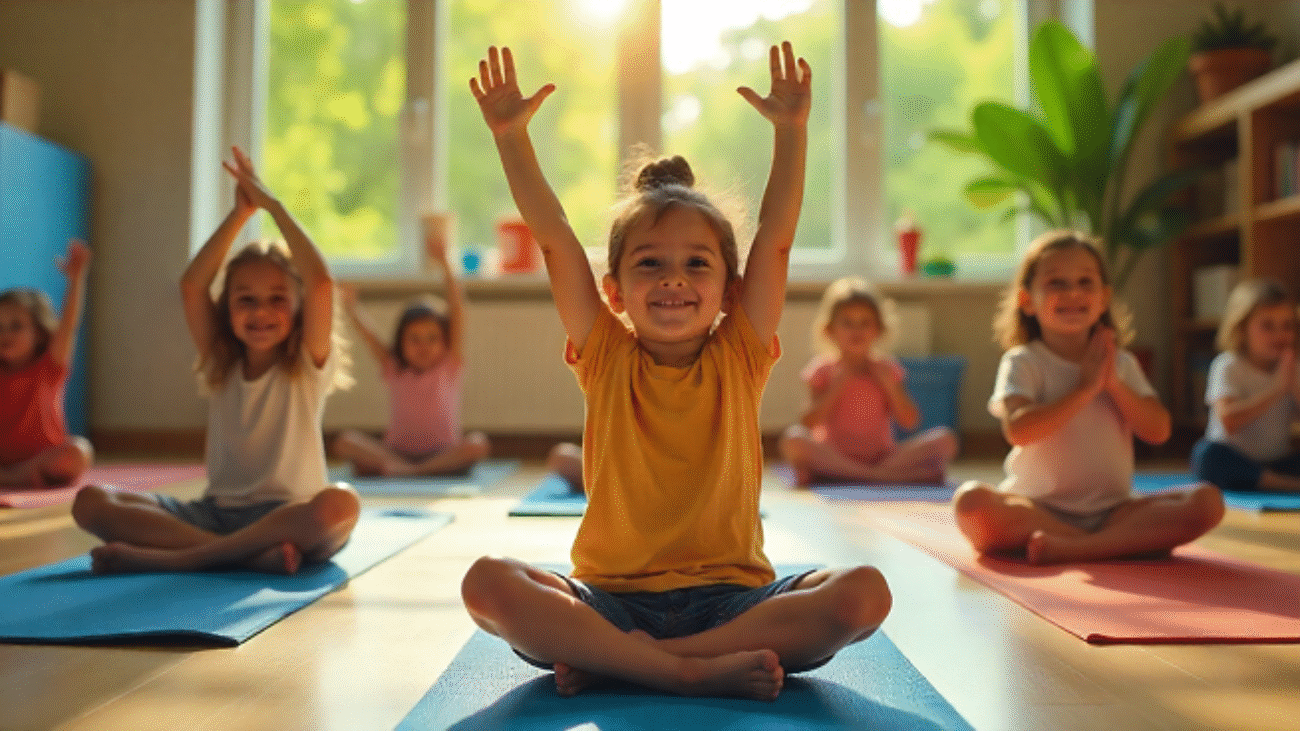
Movement is an essential part of a healthy lifestyle. It supports physical development, strengthens bones and muscles, improves mood, and enhances brain function. At Young Achievers International School, physical activity is integrated into our daily schedule — not just through physical education classes, but also through dance, yoga, outdoor play, and interactive games.

Our school’s environment is designed to promote active play and movement. From structured physical education sessions to free playtime in our safe outdoor areas, children are encouraged to stay active in ways that are both fun and developmentally appropriate. These routines help children build strength, coordination, and a lifelong appreciation for fitness.

Emotional Wellness and Mindfulness

True wellness goes beyond the physical; emotional and mental well-being are equally important.We believe that a healthy mind fosters better learning and happier lives. That’s why our educators are trained to support children’s emotional well-being through positive reinforcement, emotional literacy activities, and mindfulness practices.

Through simple breathing exercises, gratitude circles, and regular class discussions, we help children develop emotional awareness and coping skills. These practices help reduce stress, improve focus, and foster empathy and kindness. Our nurturing environment ensures every child feels heard, respected, and supported.

A Whole-School Approach to Wellness

Wellness at Young Achievers International School is nurtured through collective involvement.Our entire school culture supports healthy living, from the curriculum and classroom practices to parent involvement and school-wide initiatives. We regularly host health awareness weeks, fitness challenges, wellness workshops, and nutrition education programs that engage both students and families.

We also collaborate closely with parents to reinforce healthy habits at home. By maintaining open communication and sharing resources, we ensure that families are informed, supported, and aligned with our wellness goals.

Conclusion: Building Healthy Futures

Healthy habits built in childhood last a lifetime. By focusing on nutrition, physical activity, and emotional well-being, we equip our students with the knowledge and values they need to make positive lifestyle choices. At Young Achievers International School, we are proud to cultivate an environment where health and education go hand in hand.

Because when children grow up knowing how to take care of their bodies and minds, they are better prepared to lead happy, productive, and meaningful lives. Together with our families, we are shaping not just smart learners — but strong, healthy achievers for life.